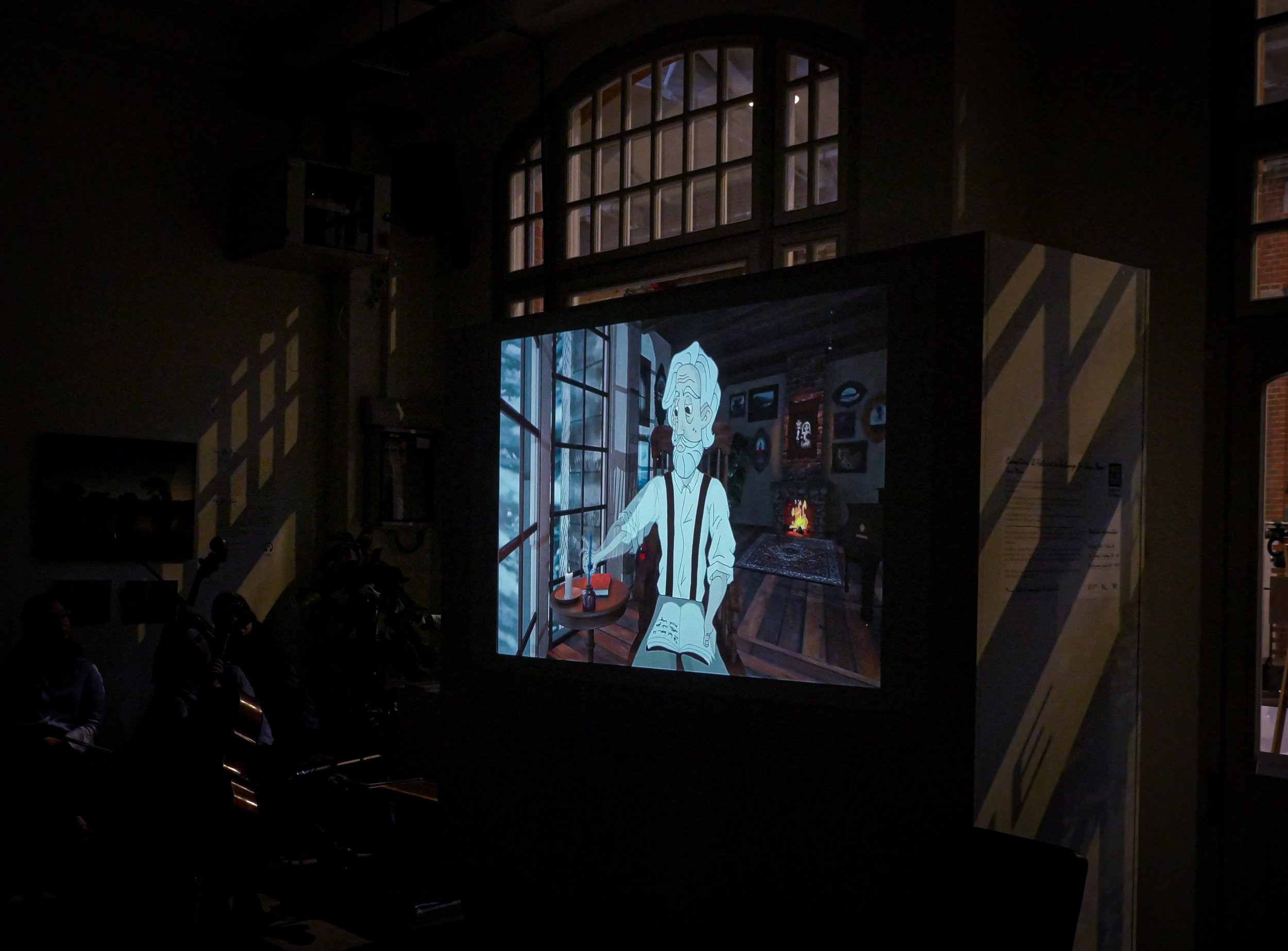
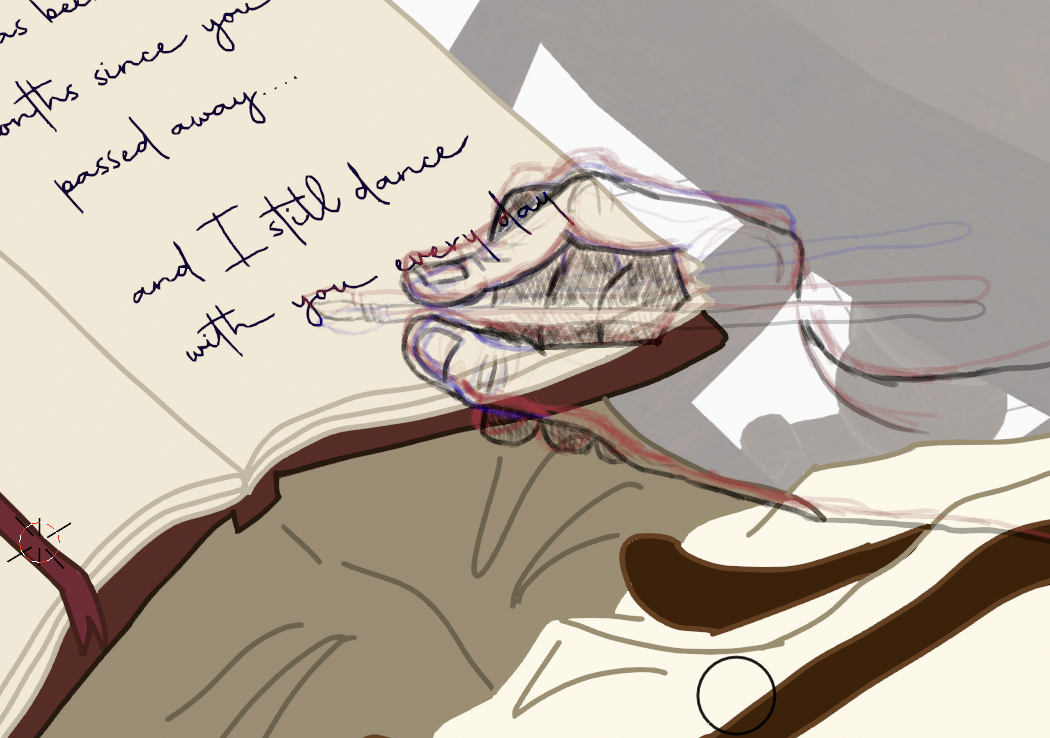
"It has been six months since you passed away. . .
And I still dance with you
Every day"
Overview
For 1.5 years, I worked on a hand-drawn 2D animation music video combined with a 3D environment in Blender.
When my friend Tomás Mauro asked if I could make an animation, I blindly said yes. At that point, my experience with animation was limited to a simple stick-figure test at the start of 2024 I genuinely thought I understood animation well enough.
I DIDN'T
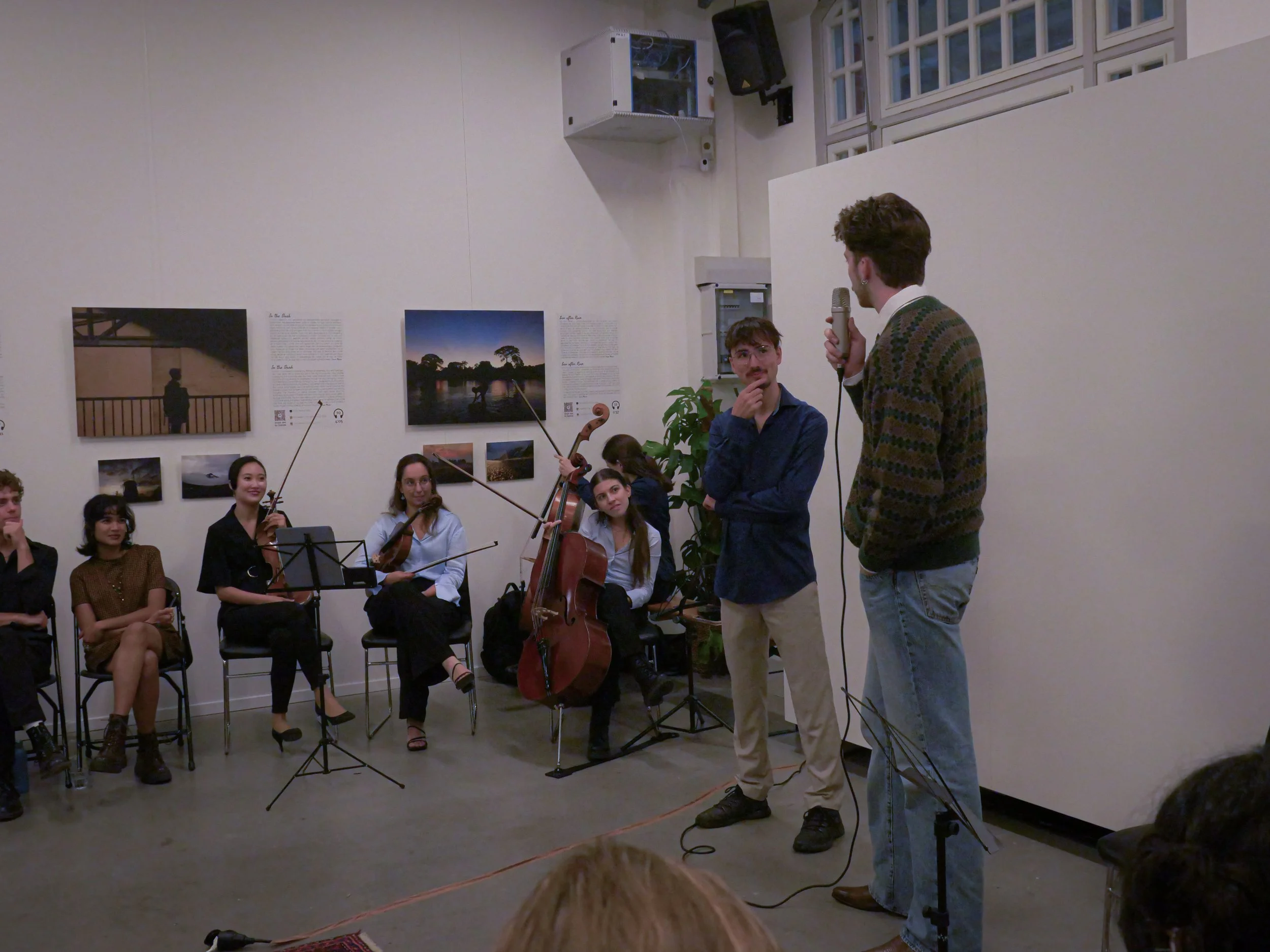
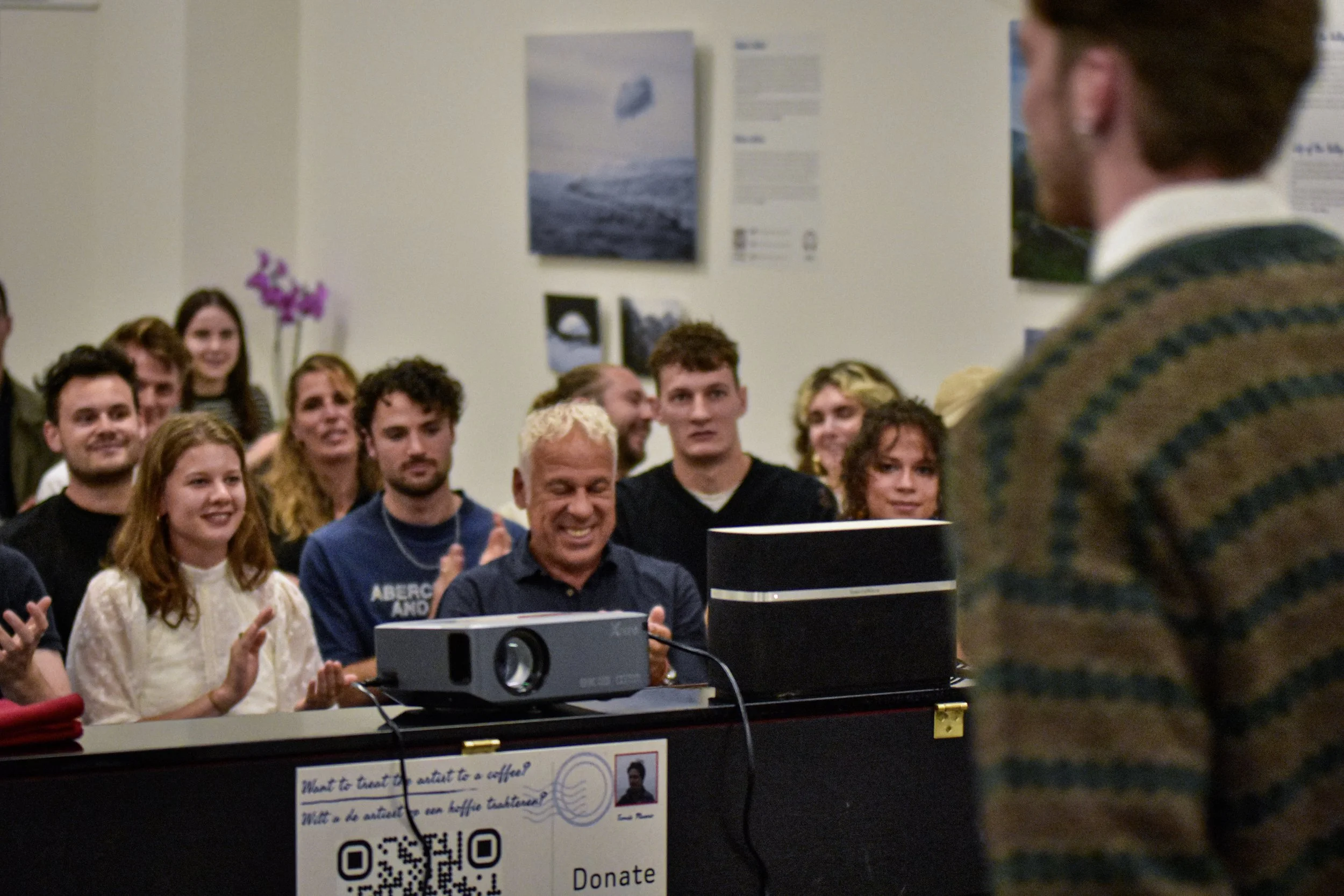
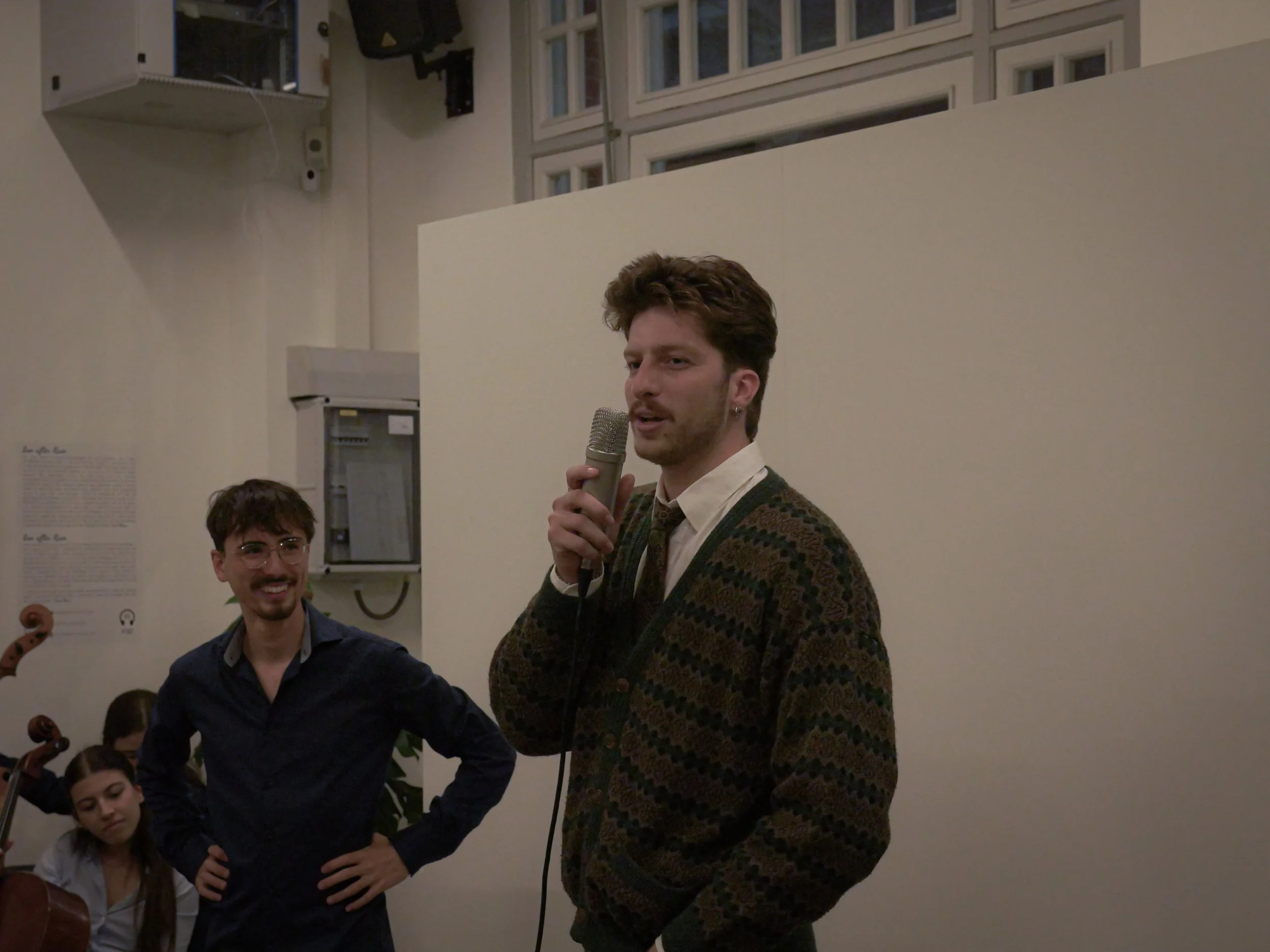
What started as a small collaboration quickly grew into a full-scale project that took over 1,000 hours of learning, experimenting, failing, restarting, and slowly improving. This animation eventually became part of a three-week exhibition at De Hallen Amsterdam, curated by Tomás Mauro for his upcoming neo-classical music album.
Starting From Zero
I began this project knowing nothing about proper animation.
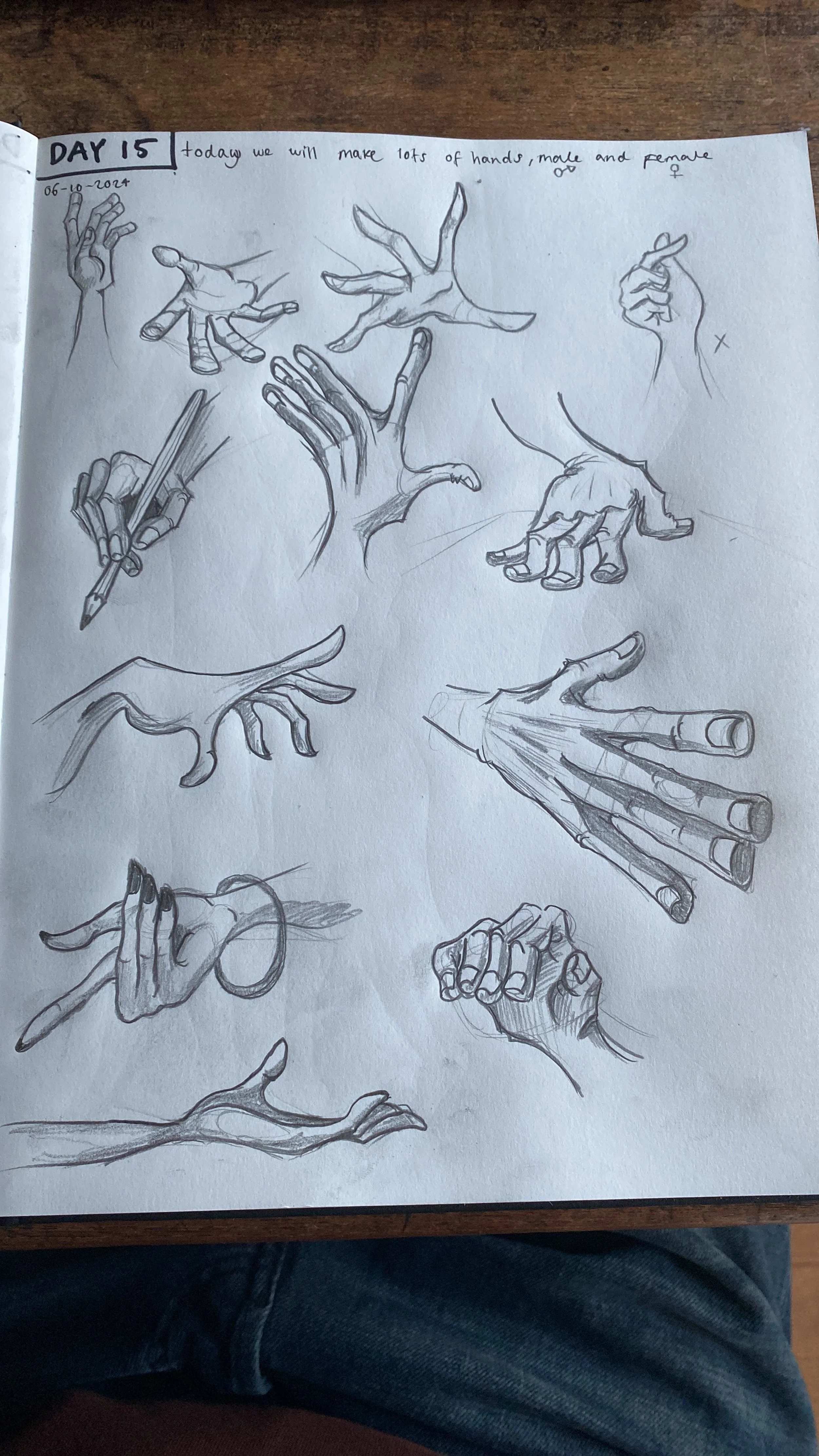
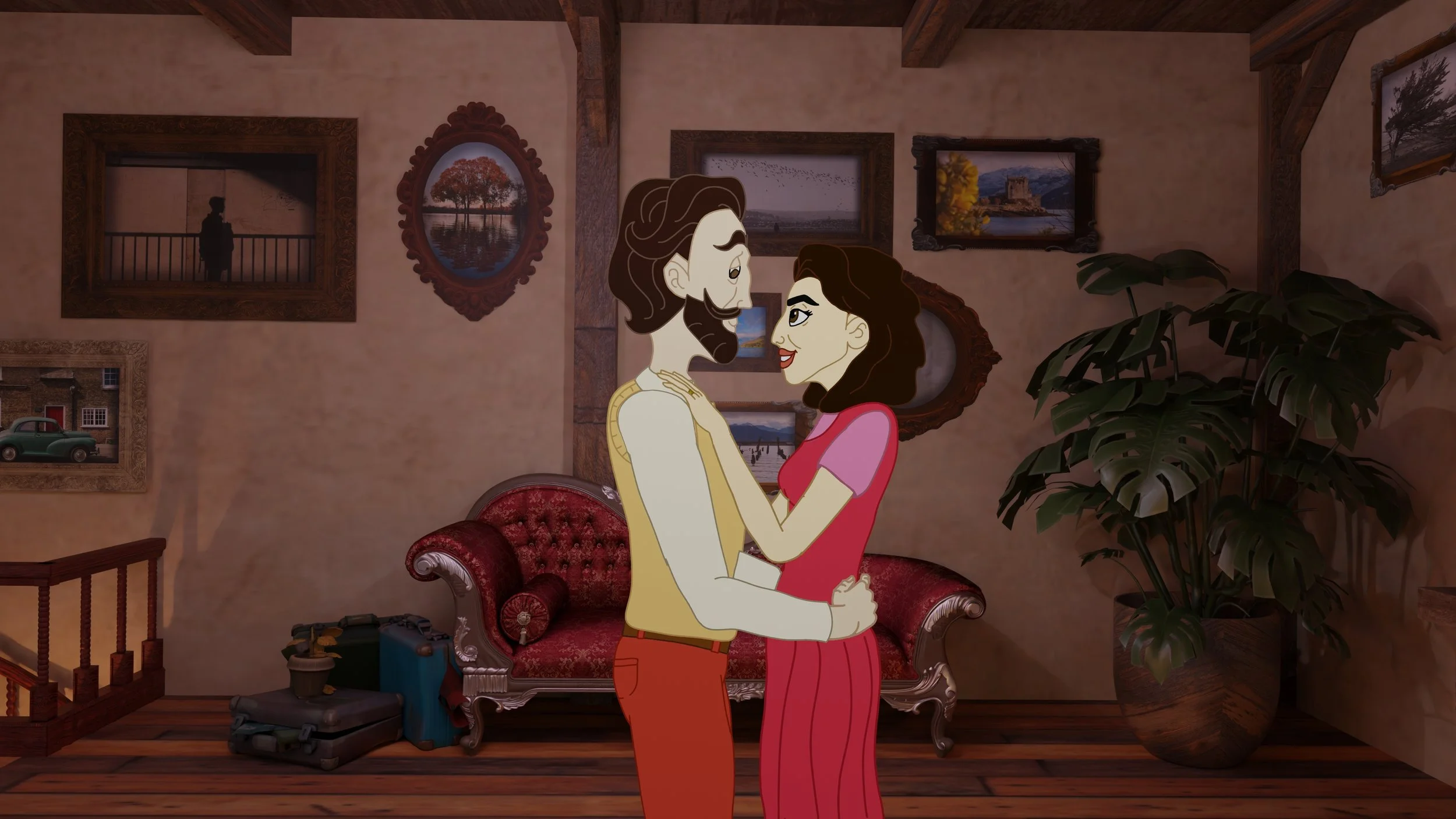
Before I could even think about movement, I had to learn how to draw. Hands, faces, body language, and poses all in a consistent style. For an entire month, I drew every single day to build a basic foundation. Slowly, things started to click.
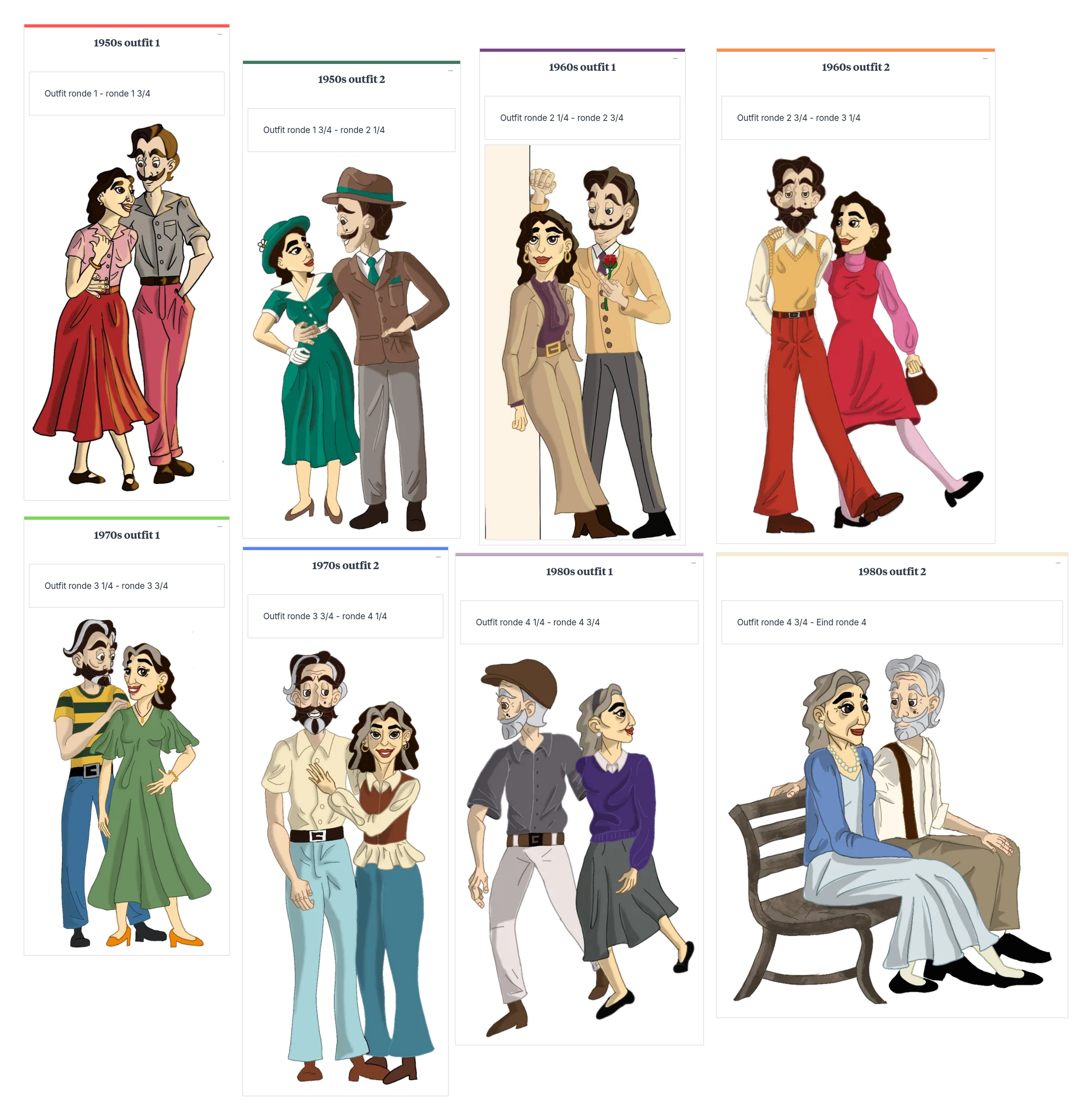
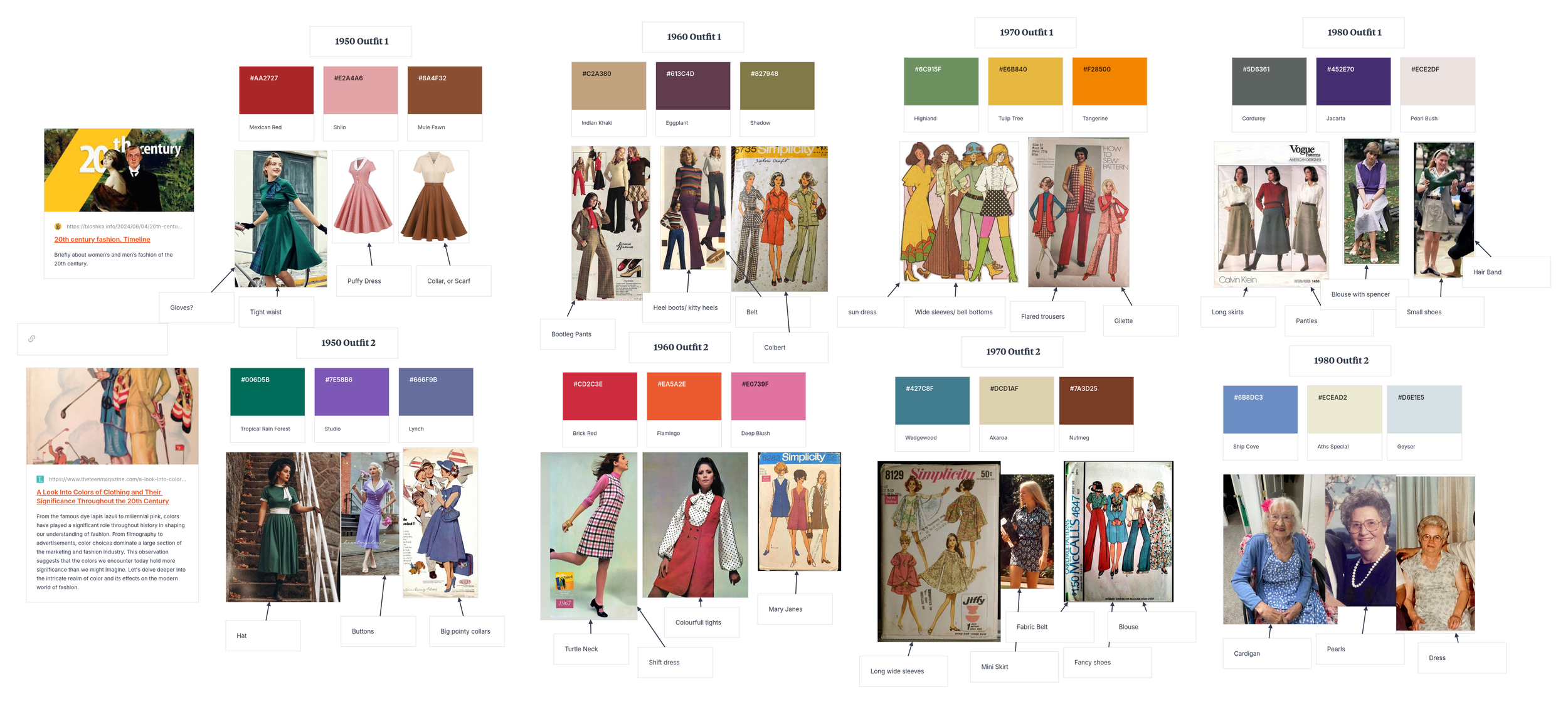
From there, I designed the characters from scratch. I researched male and female clothing styles from the 1950s to the 1980s, selected outfits, and created color references to define their look and personality.
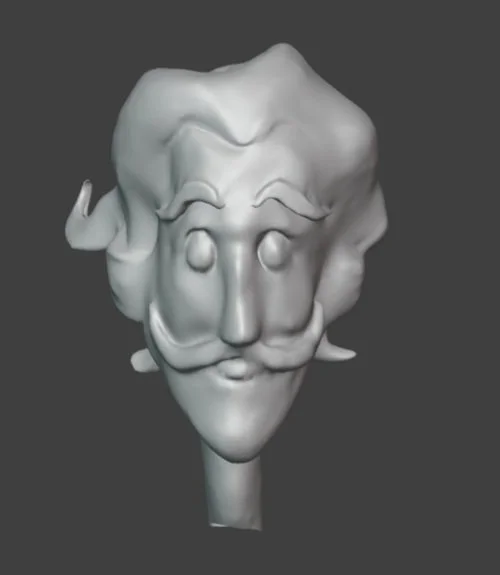
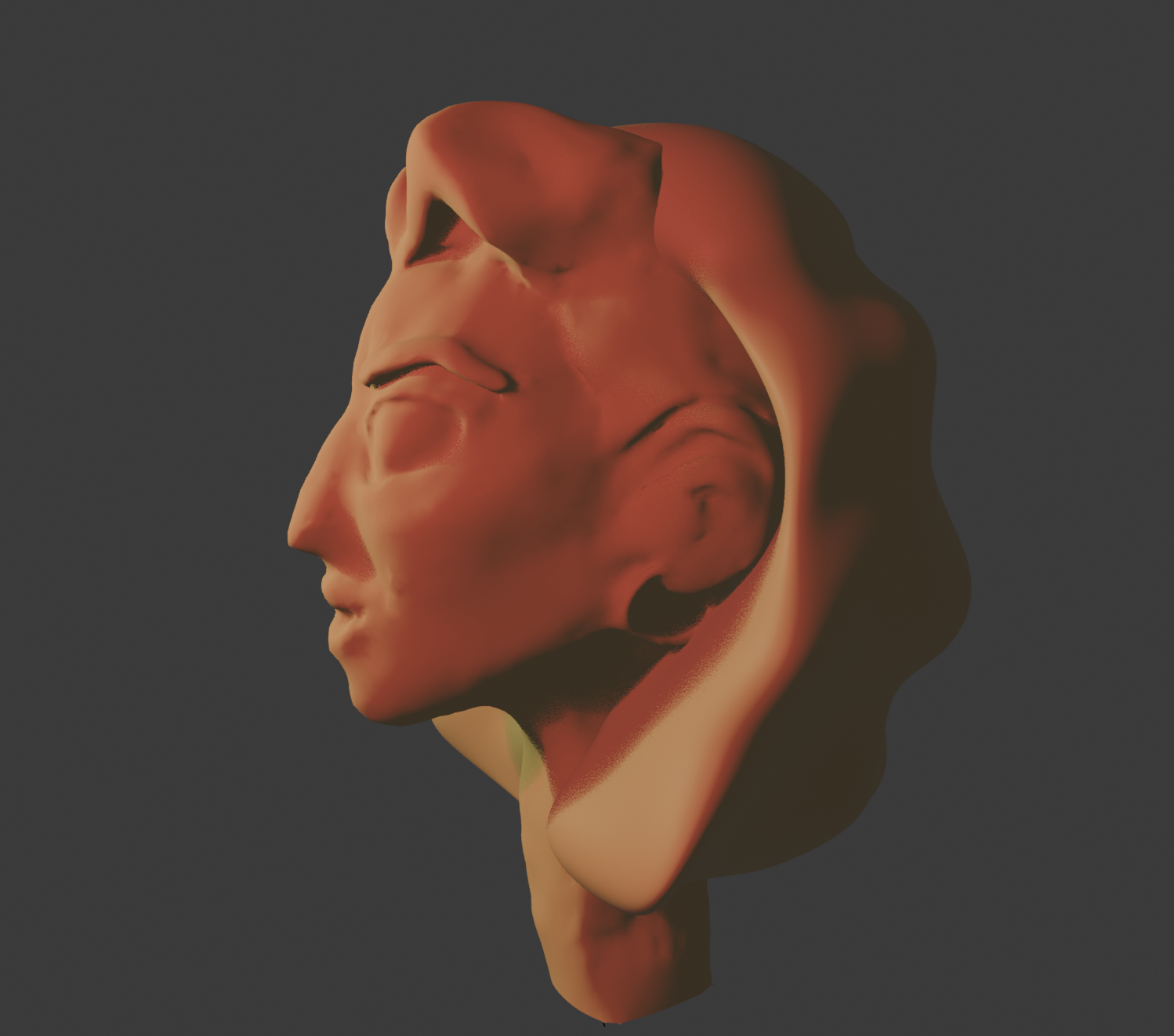
To better understand facial structure, I sculpted the characters' faces in clay. I then scanned those sculptures, turned them into 3D files, and continued refining them digitally in Blender, a program I was also learning from scratch at the same time.
building the world
Alongside the characters, I designed the environment.
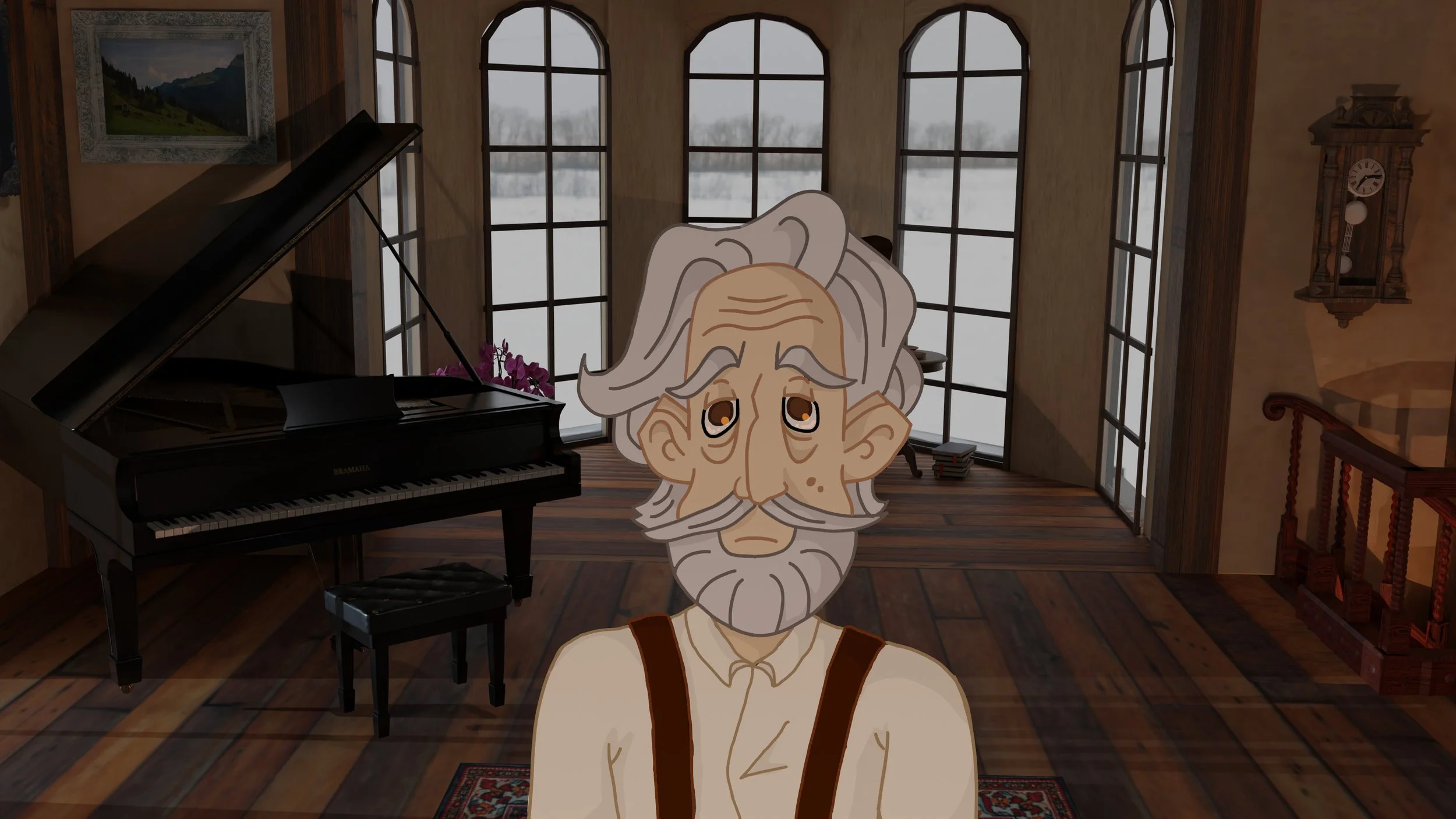
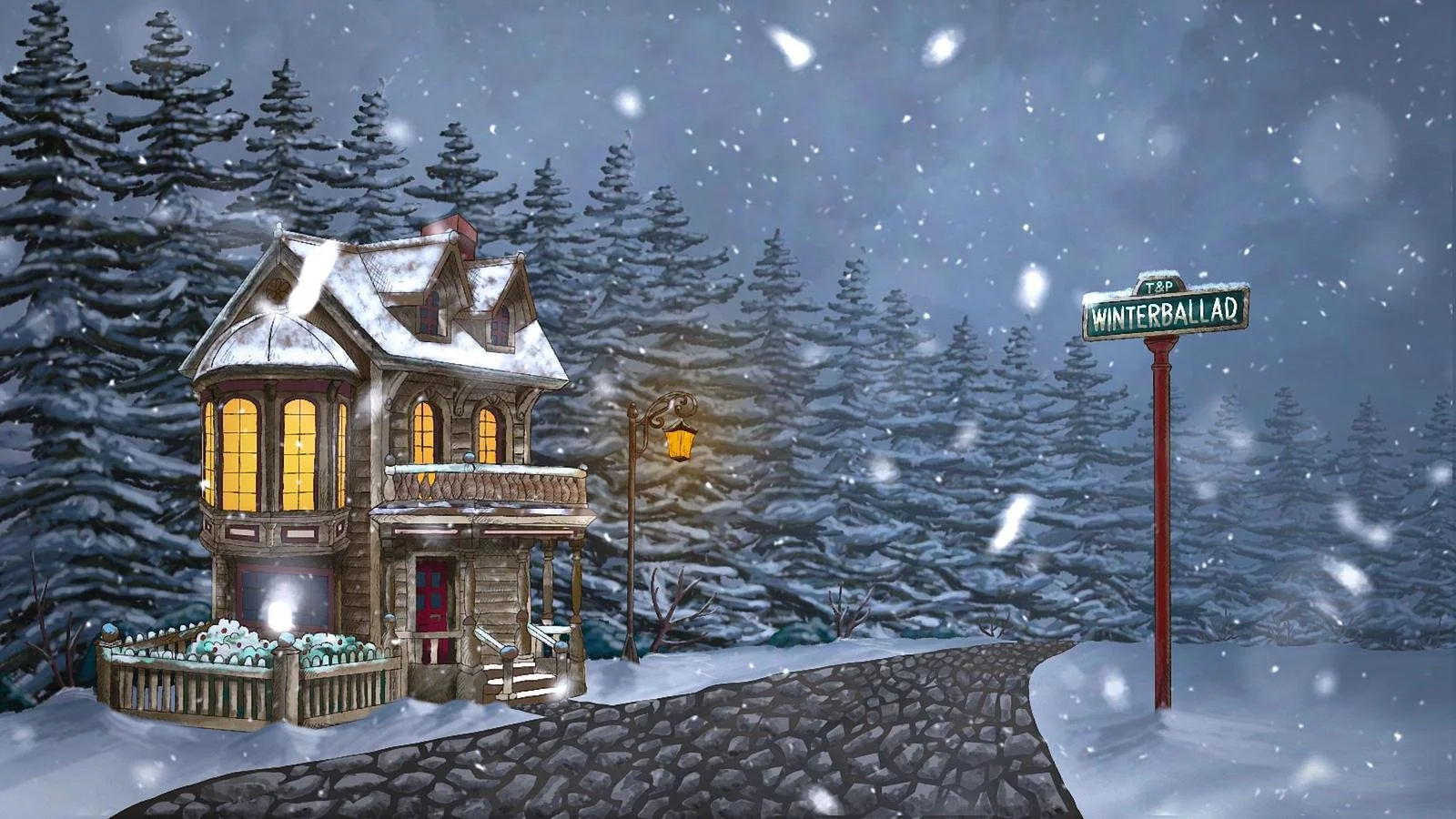
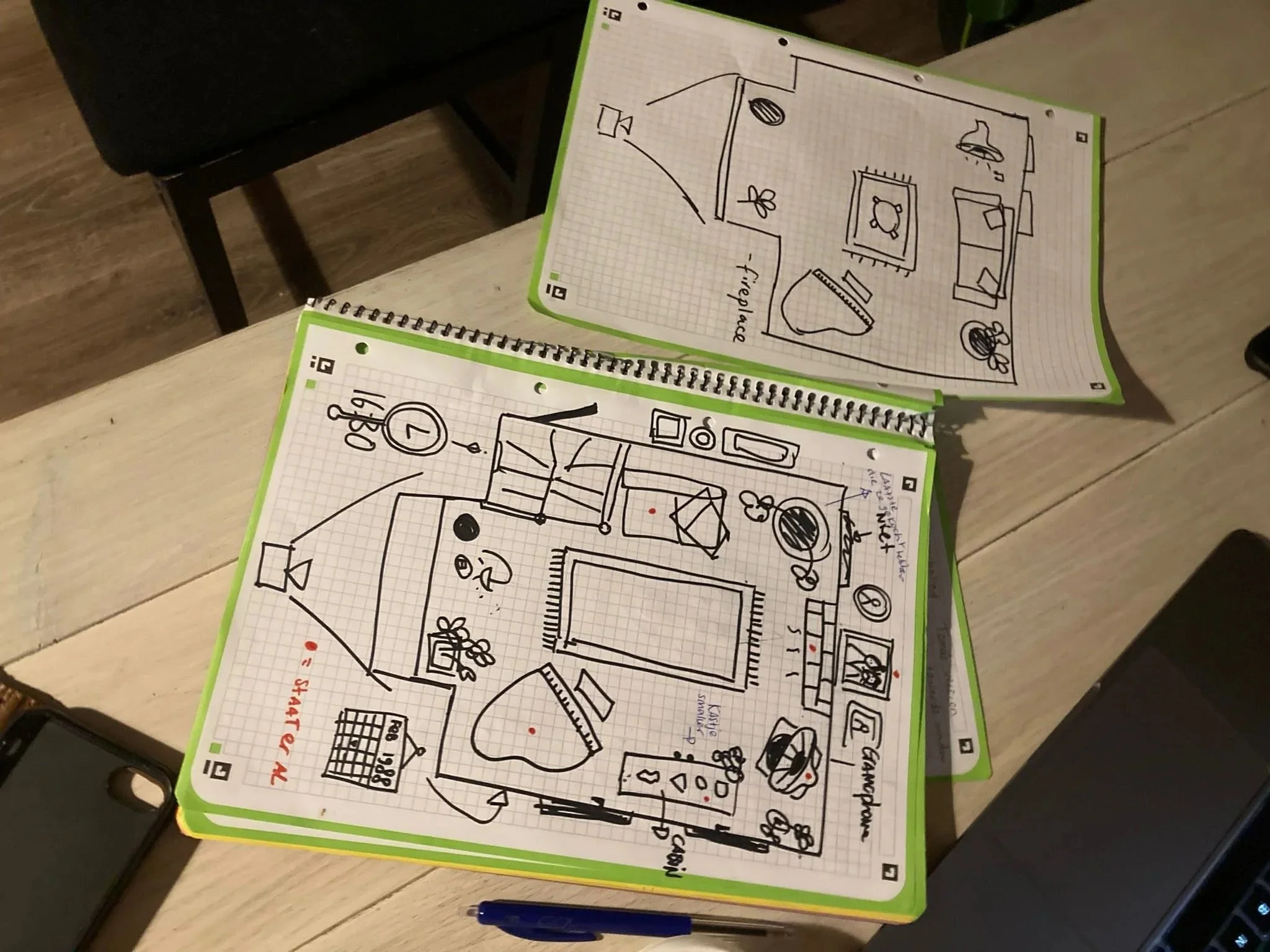
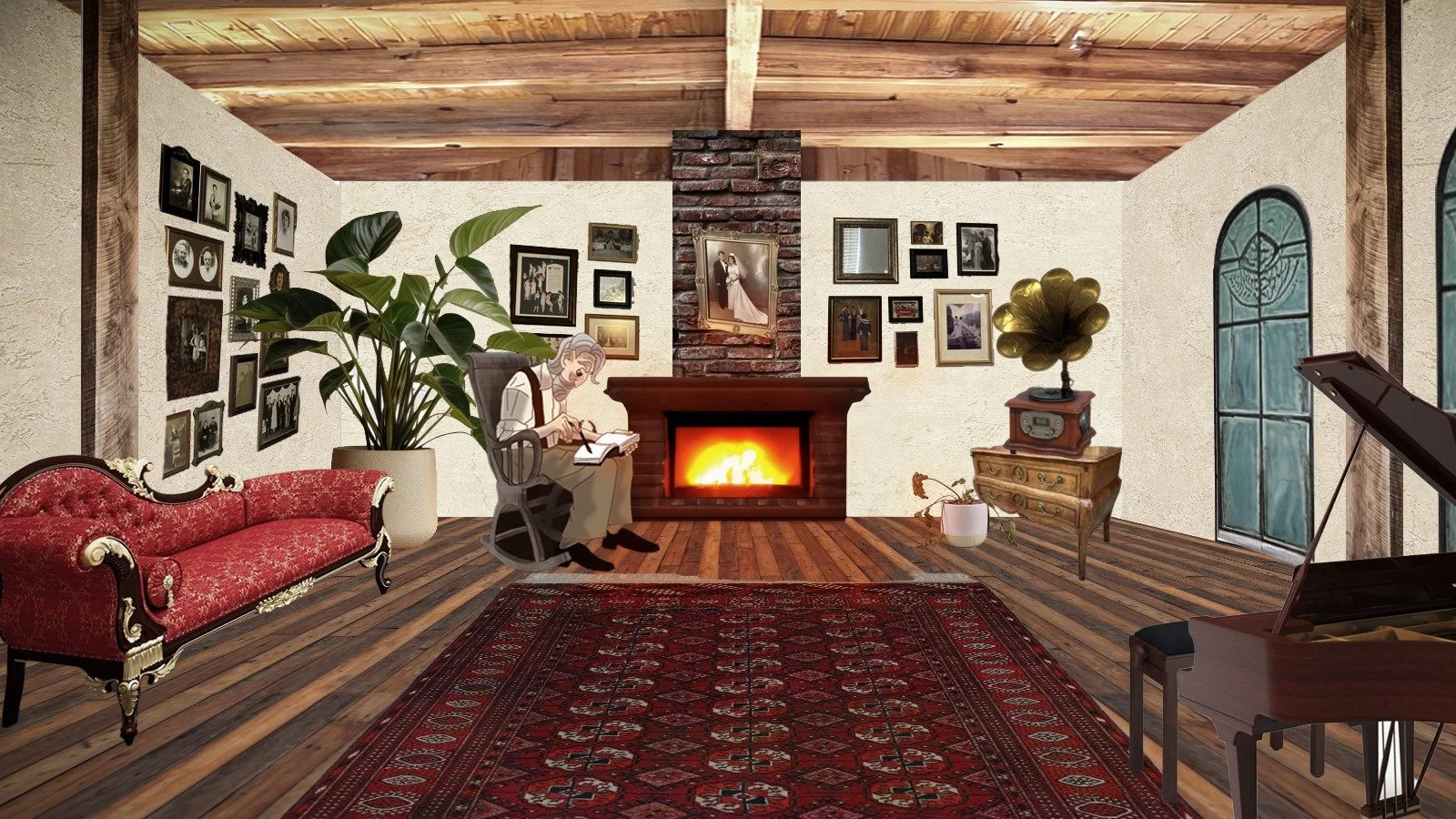
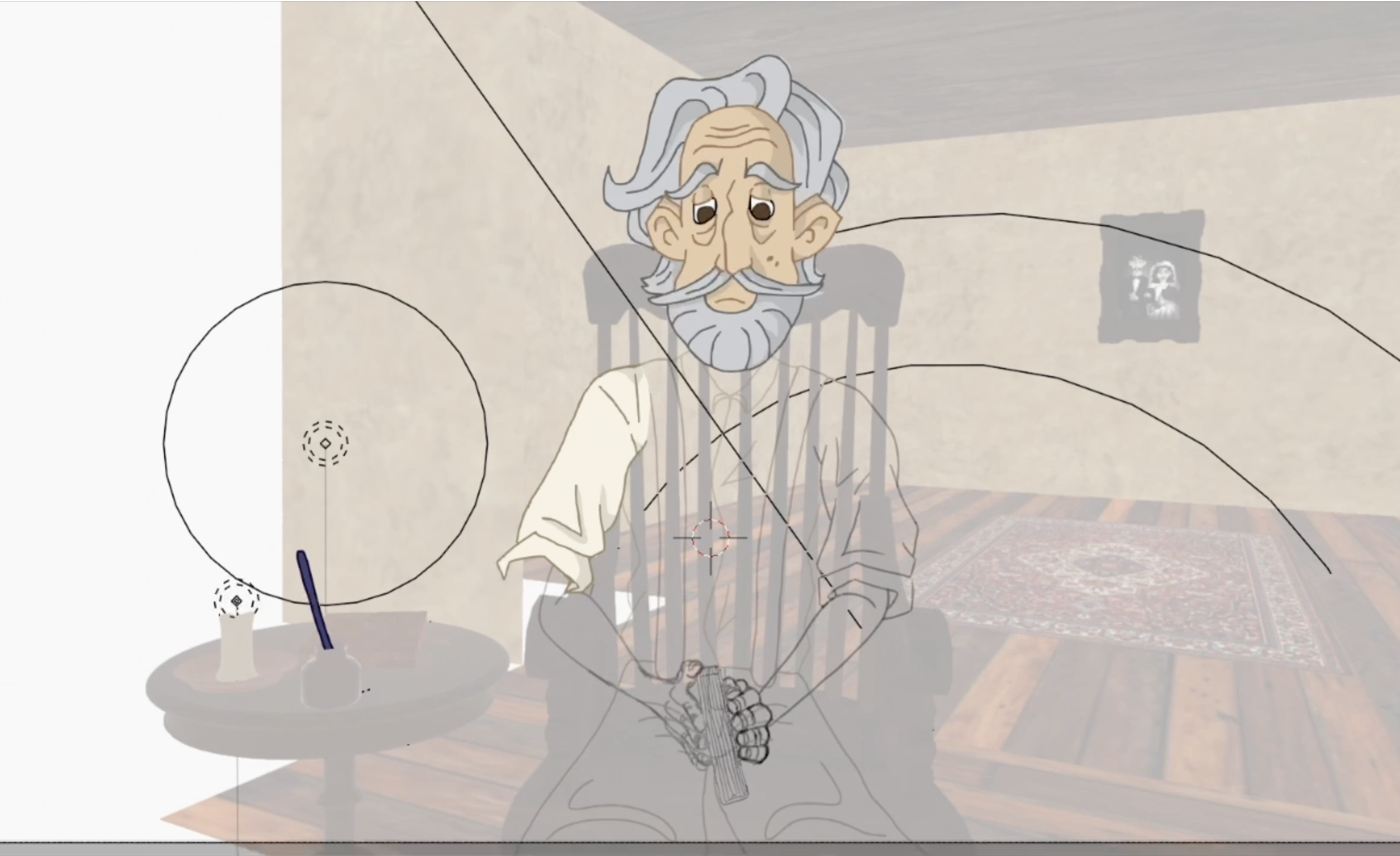
I sketched the house and its interior, explored the mood and layout, and used Photoshop to define the look and atmosphere. Once the visual direction felt right, I moved into Blender to build the full 3D environment.
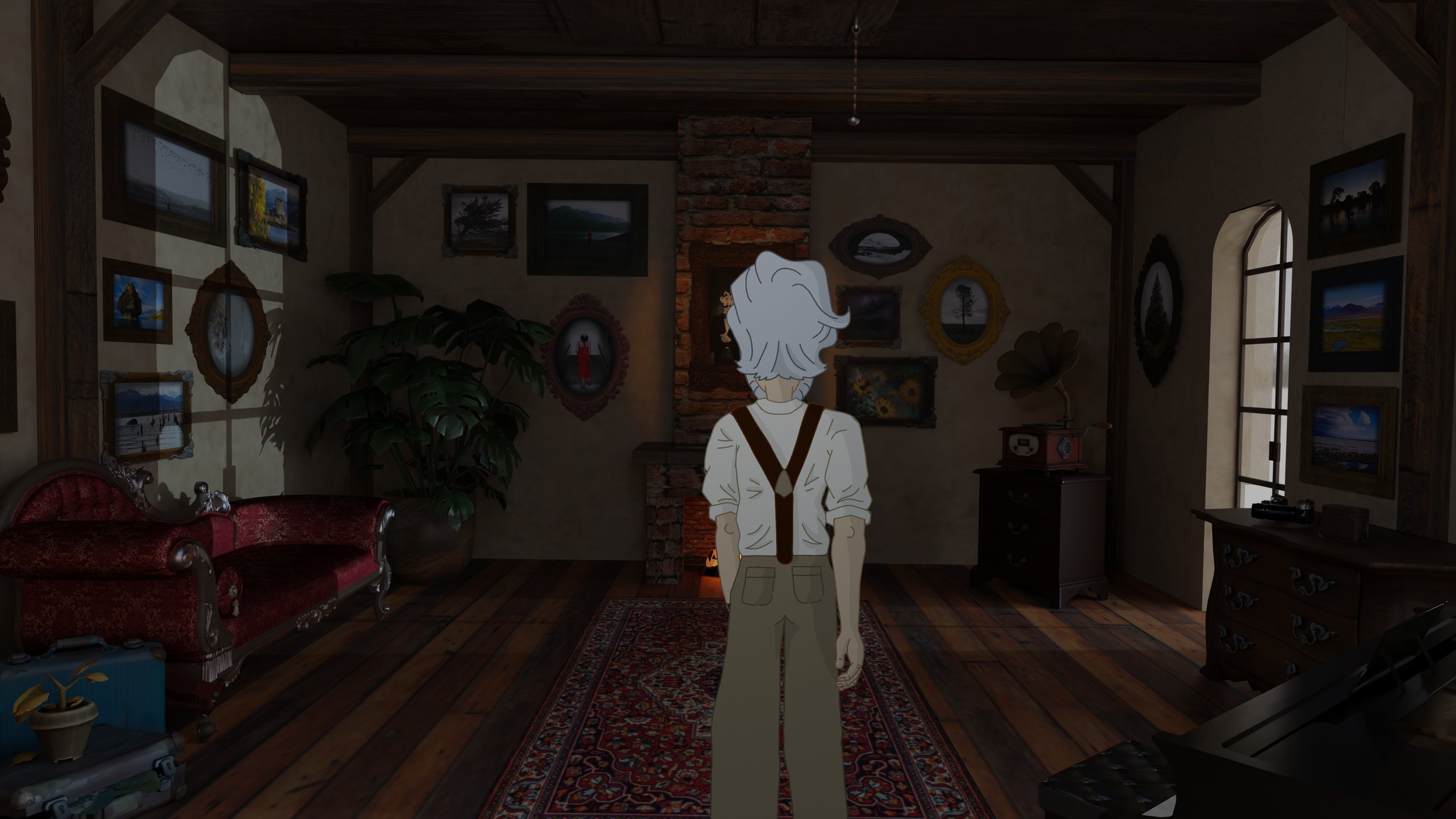
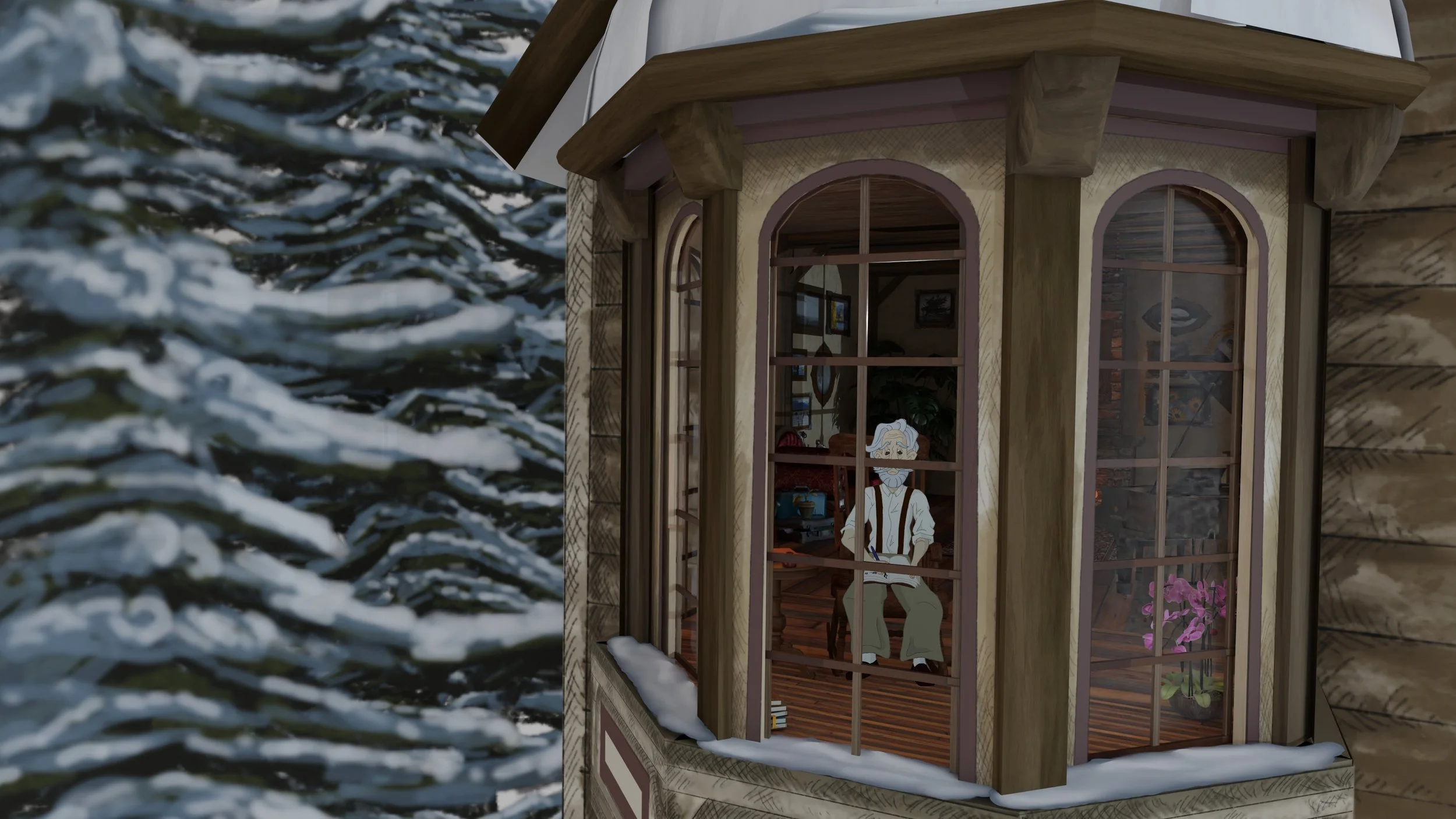
We sourced assets for the interior objects, and I modeled the exterior of the house myself. Everything had to work as a believable space that could support the hand-drawn animation layered on top.
At this point, I also had to learn how to animate inside Blender using Grease Pencil, combining 2D hand-drawn animation with a 3D world.
The Animation Grind
With my newly learned drawing skills, I animated at 24 frames per second.
That meant hand-drawing nearly 3,000 frames.
For about eight months, my life revolved around drawing, correcting, redrawing, and pushing forward frame by frame. There were moments where progress felt invisible, and moments where I seriously questioned why I ever said yes.
After finishing the animation itself, I had to learn the rendering process in Blender, which took another three weeks of nonstop rendering and problem-solving.
Then came compositing. I taught myself how to composite the animation in DaVinci Resolve, followed by sound design and color grading to bring everything together.

Pressure, Stress &
the Finish Line
This project wasn't just personal, it had a hard deadline.
The animation had to be finished for the exhibition at De Hallen Amsterdam. Knowing that this was my first real animation, and that it would be publicly shown in such a space, added a huge amount of pressure.
I worked on this next to a 40-hour work week, which made the process intense, exhausting, and at times overwhelming. I wanted everything to be perfect, and that mindset definitely made things harder but also pushed the project to be better.
We finished on time.
The exhibition was a success.
And despite the stress, this project taught me more than anything else I've ever made about animation, discipline, patience, and trusting the process even when you feel completely out of your depth.